
LUXE PARADOX
We explore the intersection of style, accessibility, and social dynamics, driving discourse on the evolving landscape of luxury and the fashion system.
Secondhand Showdown: CHANEL’s Battle to Stay Exclusive
by Thea Elle | September 1, 2025 | Style Guide
Sustainable fashion win unlocked: a pre-loved CHANEL 2.55 plucked straight from The RealReal, complete with timeless quilting and just enough patina to flex authenticity. It feels righteous — a blend of eco-consciousness and chic indulgence, as if shopping secondhand could absolve all fashion sins.
But guilt has a way of boomeranging. Because while you sip your latte and admire your eco-friendly trophy, CHANEL’s lawyers are sharpening their stilettos. To the brand, resale isn’t sustainability, it’s sabotage. And that bag in your lap may carry not just a double flap, but double drama.
The Legal Runway
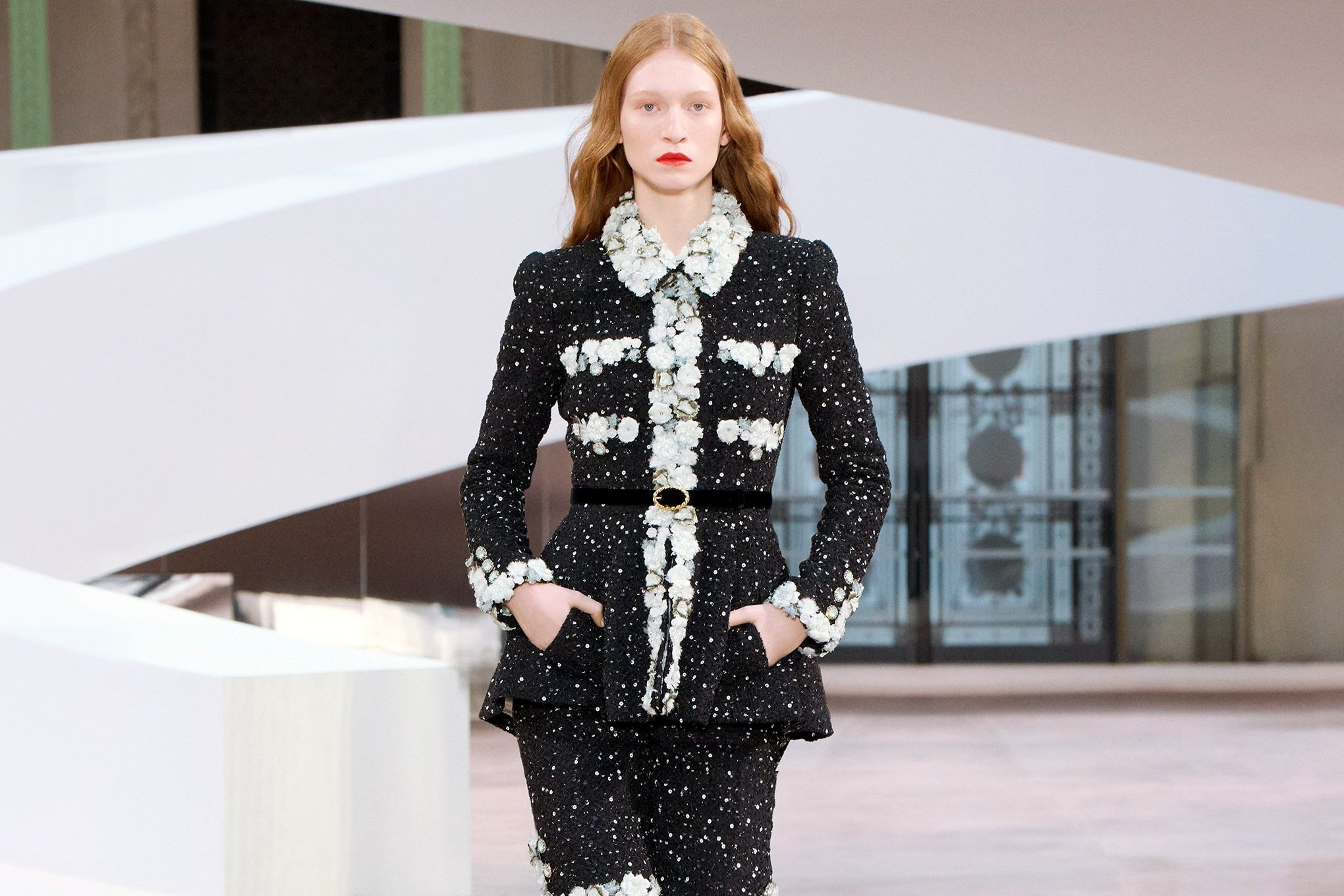
With a CHANEL bag on your arm, you may think you’re walking the runway of life. CHANEL, however, is busy drafting contracts in the front row. The maison has trademarked so much of its DNA that even numbers and silhouettes come with invisible copyright tape. The 2.55 isn’t just a bag — it’s a patented password into the house’s mythology.
And unlike seasonal collections, this obsession never goes out of style. CHANEL’s lawyers patrol the marketplace like hawk-eyed editors, ensuring that no one dares riff on its legacy without permission. Intellectual property, in their hands, isn’t fine print. It’s the collection.
If you’re a luxury brand enthusiast on a budget, check out CRIS & COCO! You will only find better deals, with up to 90% off on authentic, high-quality products. Trust our quality satisfaction guarantee and 99 % satisfied customers since 2018 speak for themselves. Take advantage of this hidden gem!
Eco-Chic Meets Court Chic
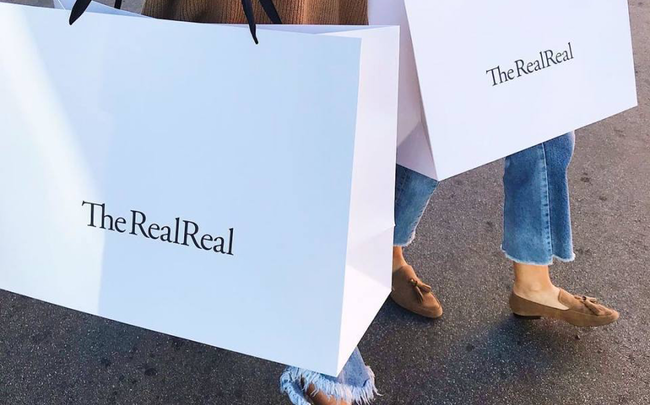
The RealReal promised the best of both worlds: a lighter footprint on the planet and a heavier one in your closet. Shoppers flocked to secondhand CHANEL, Gucci, and SAINT LAURENT, convinced they were being both stylish and responsible. The brand’s claim of “100 percent authentic” sounded like gospel in a market full of fakes.
But CHANEL was not in the mood for confessions. The house dragged The RealReal to court in 2018, accusing it of counterfeits, false advertising, and the cardinal sin of claiming to authenticate CHANEL bags without approval. For CHANEL, luxury without its blessing is no luxury at all.
When Courtrooms Become Catwalks
Forget Paris Fashion Week; the true runway drama has been unfolding in a federal courtroom since 2018. CHANEL and The RealReal have been locked in litigation for years, dragging fashion lovers into a saga that feels less like couture and more like courtroom theater. This isn’t a quick arbitration over a hemline. It’s a full-blown custody battle over who controls the narrative of authenticity in luxury resale.
The court has already given CHANEL the green light to pursue allegations of trademark counterfeiting and false advertising. The RealReal insists it plays by the rules of the first-sale doctrine, which allows the resale of genuine goods. CHANEL counters that seven bags were fakes, and worse, that The RealReal’s messaging implied a cozy brand relationship that never existed. The clash isn’t merely over leather and stitching; it’s a test of whether authenticity is an objective fact or a privilege reserved for the house itself to define.
As of now, the case hasn’t reached trial, but the anticipation is as thick as a front-row guest list. Both sides have been nudged toward settlement, yet neither seems eager to retreat. For resale platforms, the lawsuit is less a distant spectacle and more a looming storm. If CHANEL prevails, authentication across the entire resale market could shift from being a trust exercise to a tightly policed monopoly.
SHOP CRIS & COCO HERE

Between the Bag and the Brand
So what happens if you’re the shopper who just wanted a timeless CHANEL without maxing out your AmEx? You end up caught between a maison determined to defend its turf and a resale industry trying to make luxury more accessible. Your simple purchase becomes entangled in a much larger question: who gets to write the rules of luxury ownership?
Legally, the first-sale doctrine has your back. Once you’ve bought an authentic CHANEL, it’s yours to keep, flaunt, or resell. But CHANEL’s lawsuits go beyond ownership rights. They’re about optics—how the brand is portrayed in marketing, whether a platform implies too much closeness, or if that double C shows up in contexts CHANEL didn’t script. It’s less about the bag in your closet and more about the story being told around it.
For buyers, the takeaway is clear but inconvenient. Shopping secondhand now means double-checking who you’re buying from, how the product is authenticated, and whether the platform itself is locked in battle with CHANEL. In other words, the resale market has become a space where your love for fashion must be matched with an awareness of legal crossfire. You wanted style, but you’re also signing up for a subplot of intellectual property drama.
Digital Passports, Parisian Stamps
Resale may feel like a rebellious way to score CHANEL, but the house is already rewriting the script. Its vision of the future? Every bag is equipped with a digital identity — a scannable passport that charts its journey from boutique counter to your closet, and eventually to resale. Suddenly, brunch selfies aren’t the only receipts your flap bag comes with.
This isn’t just about convenience. With blockchain and other tech tools, CHANEL can slash counterfeits while keeping resale tethered to its orbit. The long game is clear: create a resale ecosystem that feels official, where CHANEL approves who gets to resell and at what price. For shoppers, that means less freedom, fewer deals, and a resale market polished to perfection — at a cost.

CHANEL vs. resale: a modern tug-of-war over who really owns “luxury.”
Meanwhile, the secondhand market is ballooning, with independent platforms racing to perfect authentication. Yet CHANEL’s move signals a different future: one where resale is not just digital but dictated by Paris. Whether you call it innovation or control depends on whether you were hoping to save the planet — or just save some cash.
Owning the Leather, Not the Legacy
Congratulations, you bought the CHANEL. But here’s the fine print: you don’t own the double C legacy, the aura of exclusivity, or the narrative carefully written by Rue Cambon. The RealReal lawsuit is less about seven bags and more about who controls the very definition of luxury authenticity. Spoiler: CHANEL isn’t in the business of sharing.
What this means for buyers is simple: resale has shifted from free-market playground to heavily policed turf. Yes, the first-sale doctrine means you can resell what you bought. But the way you present it, describe it, or even advertise it may trigger objections from the house. In this new climate, your pre-loved purchase comes bundled with invisible strings.
So wear it, love it, photograph it under golden hour light. Just don’t forget that CHANEL sees the bag as more than your accessory. It’s their trademarked identity — and in their eyes, you’re just a temporary custodian.